Glass-Rested Mezcal and Tequila: What Changes in the Spirit?
How glass resting changes mezcal and tequila, how producers seal and store their vessels, and what Madurado en Vidrio means on a label.

A collection of posts relating to mezcal: including its history, production process, statistics, and the people, brands and companies behind this wonderful spirit.
How glass resting changes mezcal and tequila, how producers seal and store their vessels, and what Madurado en Vidrio means on a label.
Recognize Tepeztate agave, explore its Oaxaca and Puebla names, and learn about its growth, traditional uses and mezcal production.
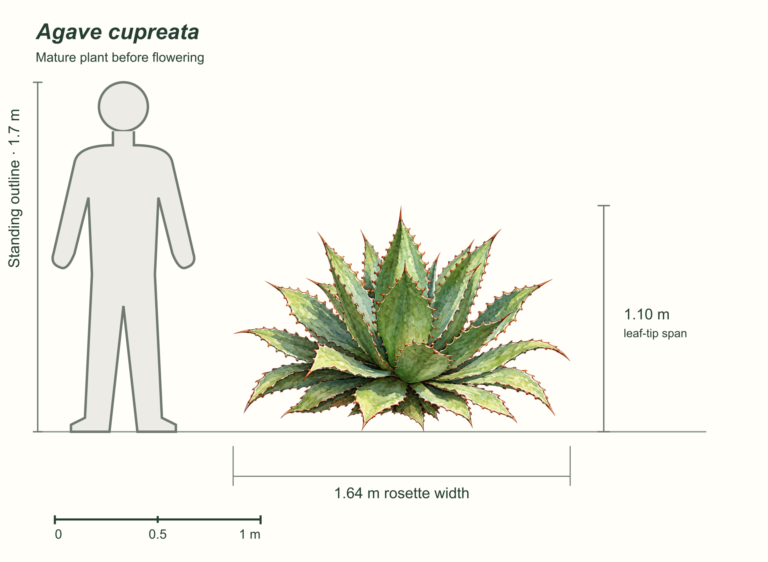
Recognize Cupreata agave, learn where it is called Papalote and Chino, and compare how Guerrero and Michoacán makers produce it.
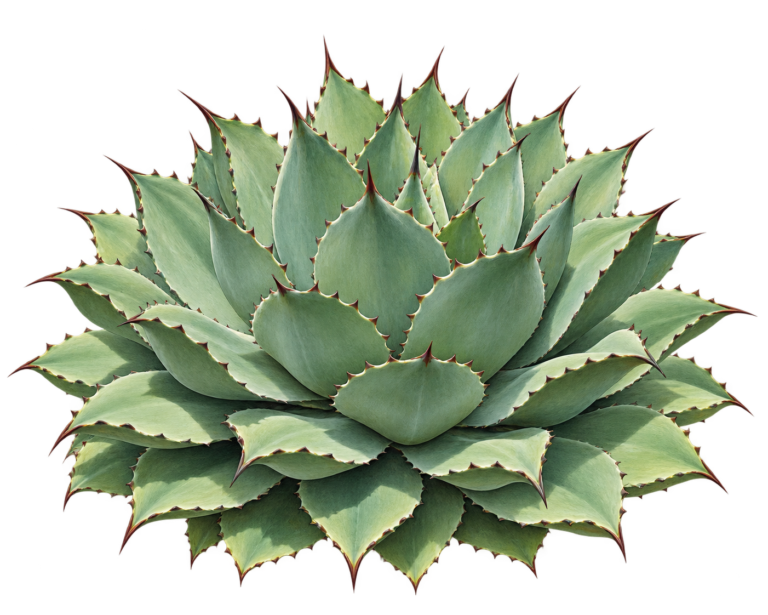
Recognize Tobalá agave, understand its local names and cultivation, and learn how different makers produce Tobalá mezcal.
Explore the agaves, makers and production traditions of twelve Mexican states, with a comparison table and links to their regional guides.
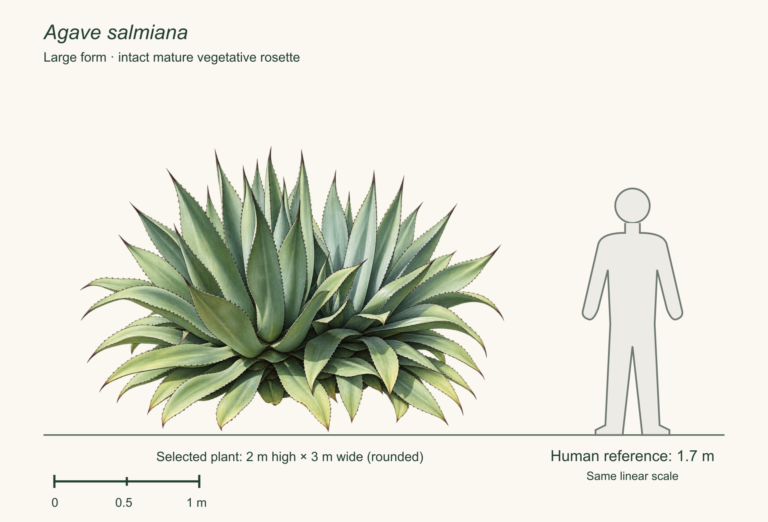
Recognize salmiana agave, explore its regional names, and learn how mature plants provide aguamiel for pulque and piñas for mezcal.
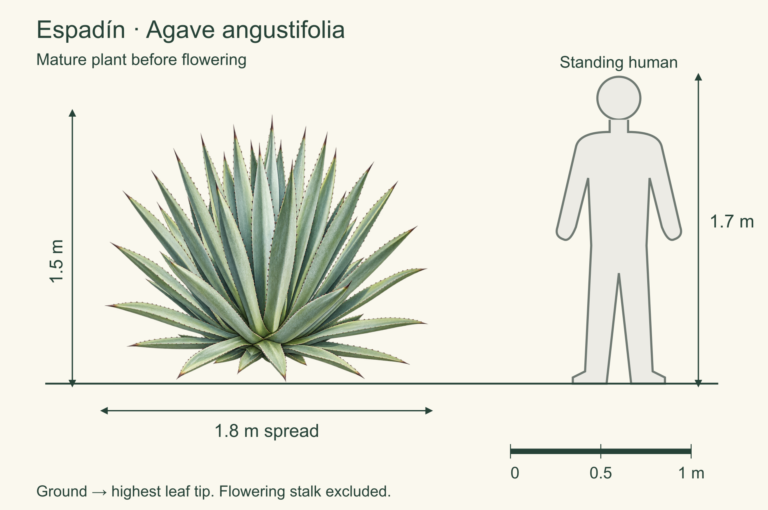
Recognize Espadín, compare it with Azul and learn how growers and mezcal makers use the agave behind most certified mezcal.

The blue and white Reposado decanter made Clase Azul instantly recognizable. The range now includes six tequilas, three mezcals and collector editions, with differences in agave, cooking, aging and bottle craftsmanship.
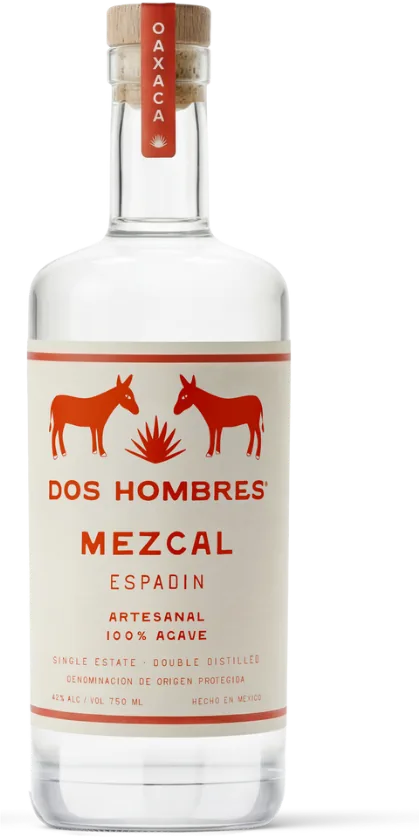
Dos Hombres Espadín, Tobalá, Blanco and Reposado: makers, production, bottle prices and the brand’s additive free claim.

Durango uses Cenizo agave, Guerrero uses Papalote and San Luis Potosí uses Verde agave. All three are unaged. Their bottles showcase different Mexican crafts, from Wixárika beadwork to Olinalá painting.