El Tesoro aged tequilas: Extra Añejo, Paradiso and Mundial compared
Choose an El Tesoro aged bottle by maturation, barrel history, edition and observed price.

Choose an El Tesoro aged bottle by maturation, barrel history, edition and observed price.
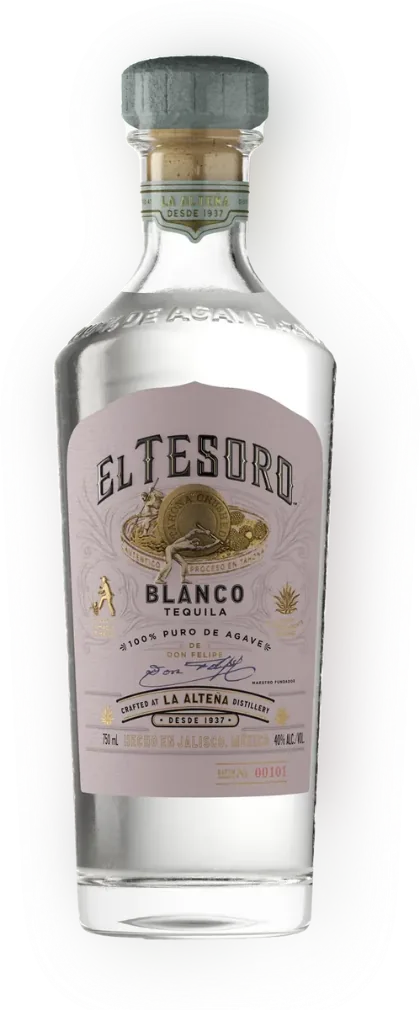
Jenny Camarena leads the Highlands distillery behind El Tesoro. Stone milling and fermentation with agave pulp run through the range; the aged bottles explore bourbon, Cognac and Japanese whisky casks.
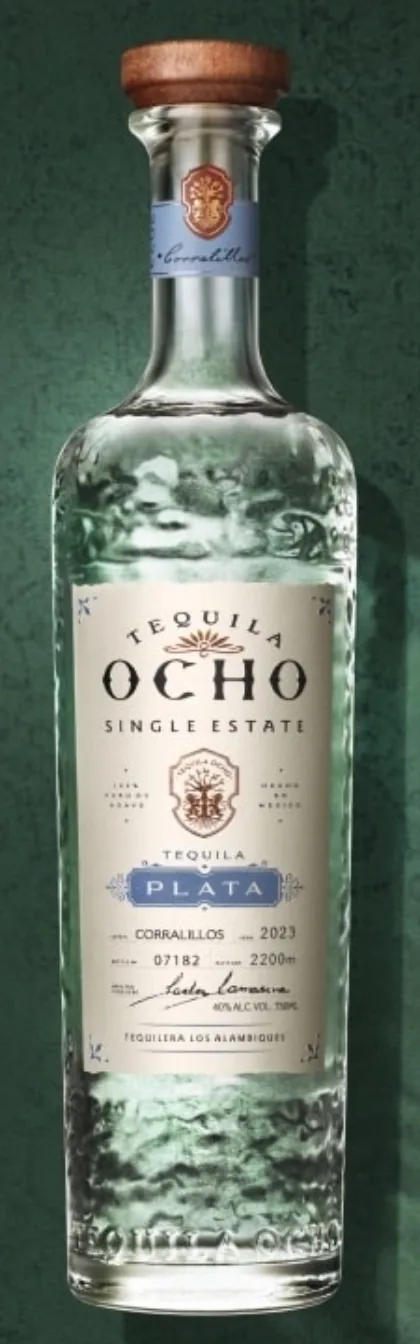
A 70% agave Blanco, a 100% agave Platinum, Gran Reserva blends and a six-year Reposado make this an unusually varied range. The useful differences are in the full expression names.
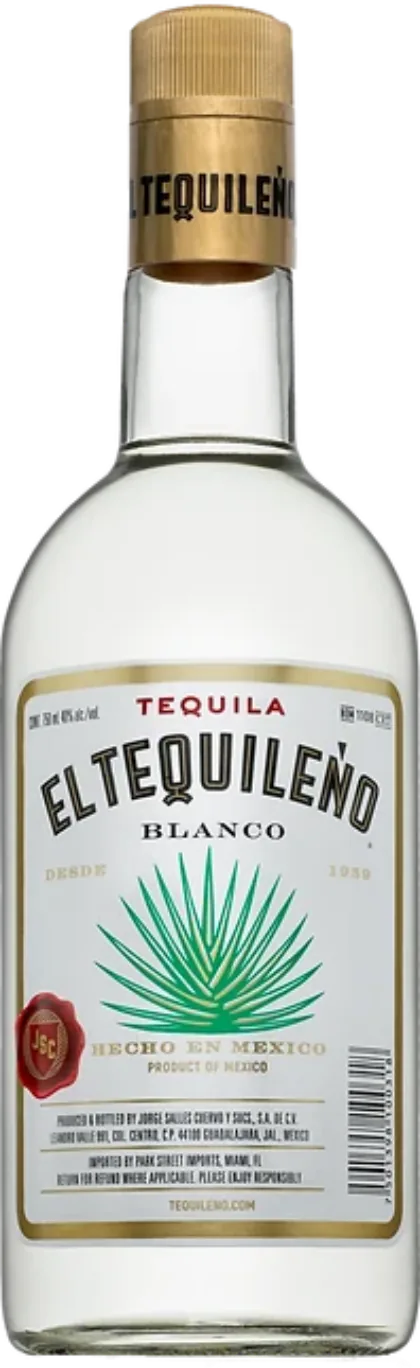
Pepe Hermosillo’s tequila moves from unaged Blanco to a two-year Añejo and the Marqués blend. The regular Añejo costs only a little more than Reposado in our US price check.
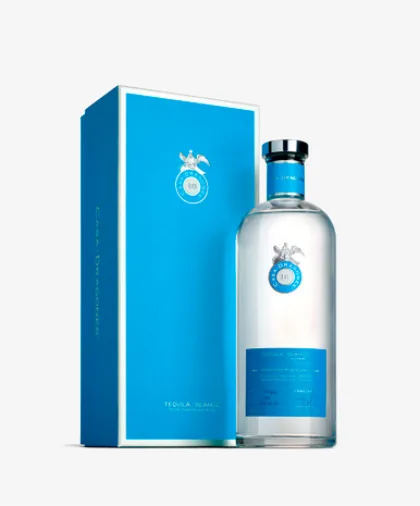
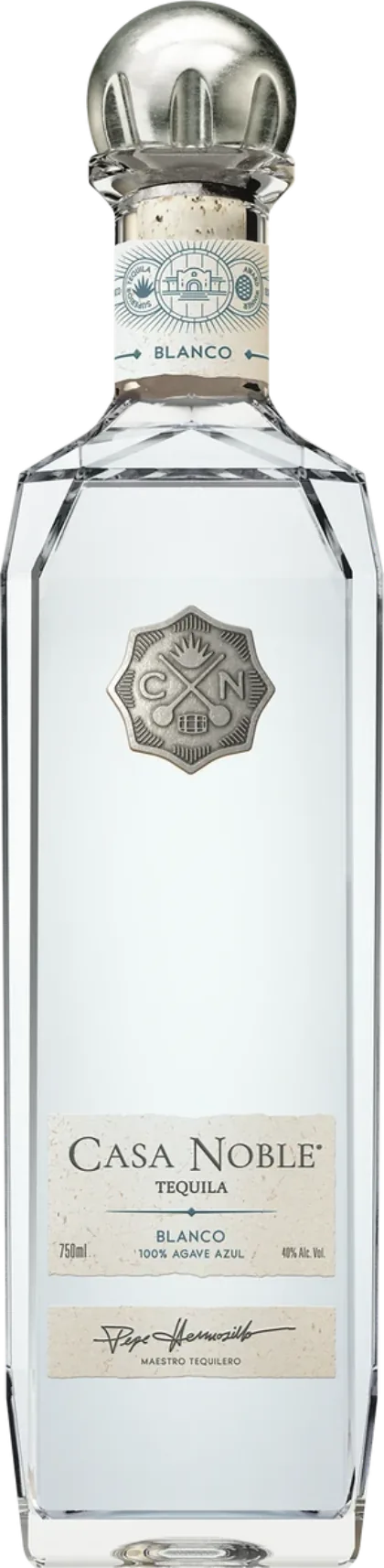
Casa Dragones ranges from a $55 Blanco to a $250 Joven blend in an engraved decanter. Reposado explores Japanese Mizunara oak, while Karol G’s 200 Copas is a clear, aged tequila.
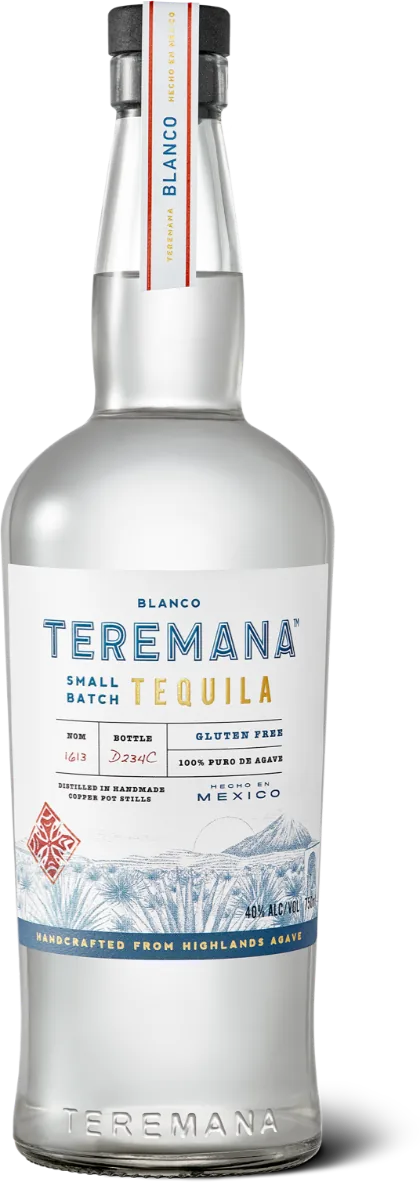
Choose Teremana Blanco, Reposado or Añejo for cocktails, with metric Margarita, Paloma and Old Fashioned measures and US bottle prices.
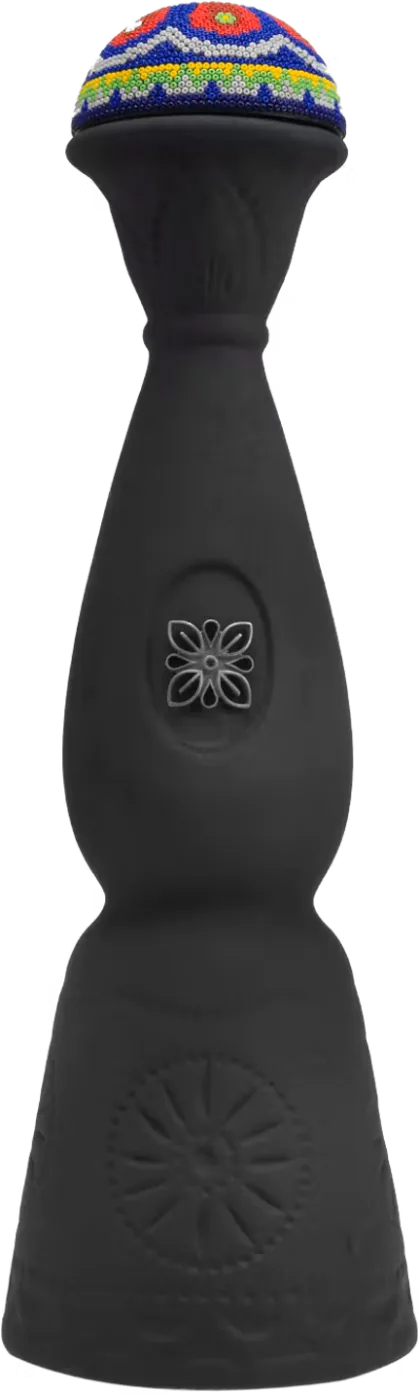
Durango uses Cenizo agave, Guerrero uses Papalote and San Luis Potosí uses Verde agave. All three are unaged. Their bottles showcase different Mexican crafts, from Wixárika beadwork to Olinalá painting.
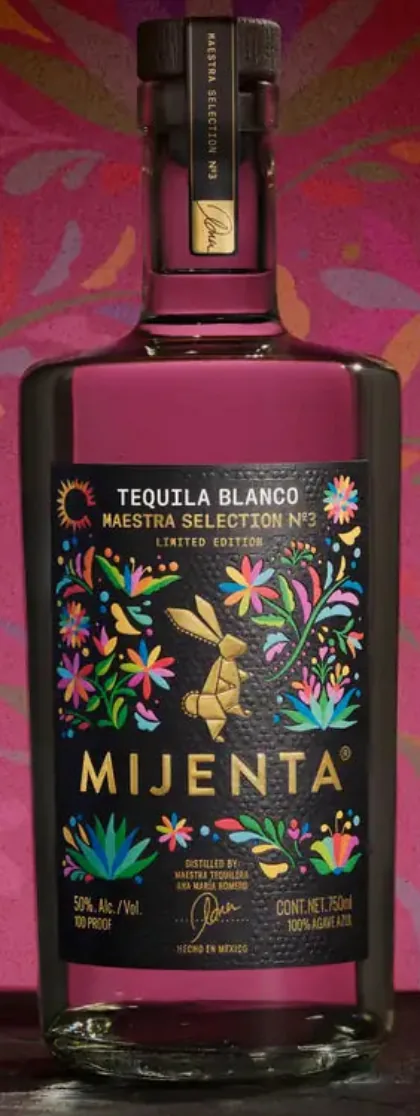
All three Mijenta Maestra Selection releases and the Symphony series, beginning with Cristalino: agave, methods, proof, maturation and release dates.
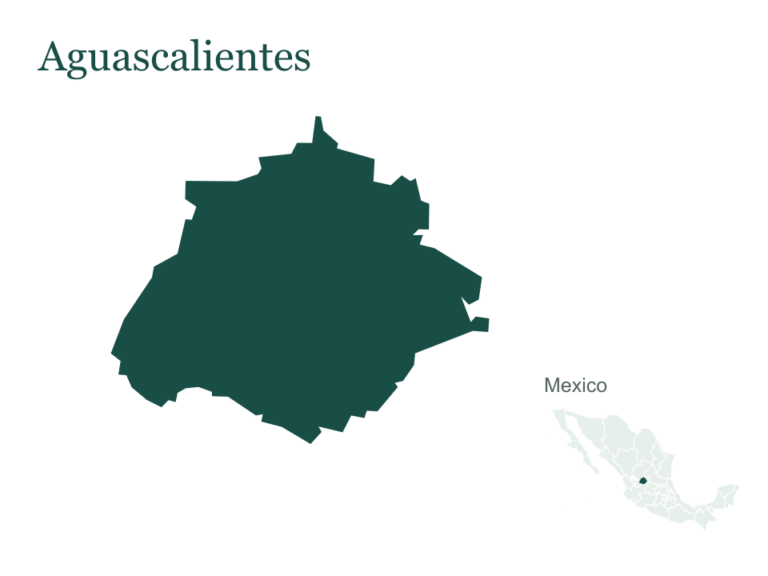
Aguascalientes’ estancos are small distilleries linked to the wider plateau’s salmiana tradition. Regional fieldwork also records espadín and other agaves, along with varied ovens and stills.
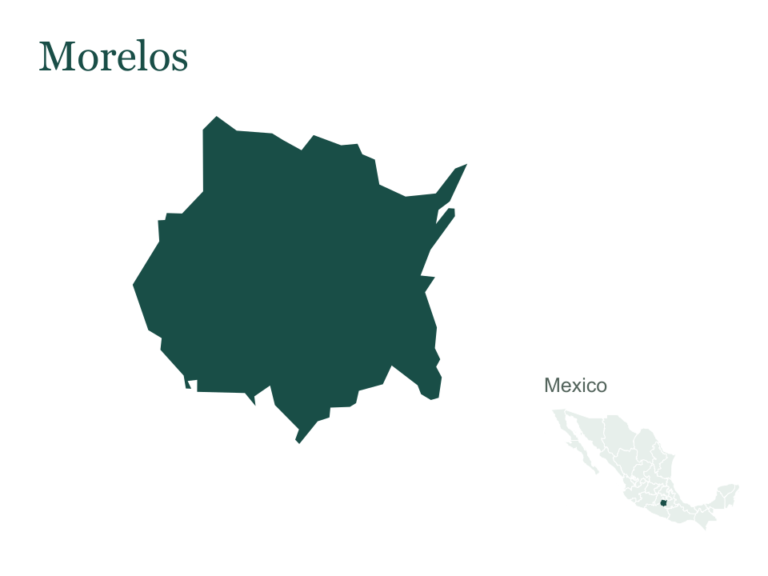
In Morelos, distillers in Palpan de Baranda and Tlajotla work with local criollo agaves. Some growers plant agaves among crops and trees, while newer plantations and businesses operate around Tepoztlán.